Professional solutions in the fields of non-ferrous metal recycling, international trade, and sustainable resource management.
As Pasha Metal, we make significant investments in the recycling and trade of non-ferrous metals in line with the needs of the sector and our sustainable growth objectives.
Thanks to the international business network, technical infrastructure, and operational experience we have developed over the years, we have reached a strong and reliable position in the non-ferrous metal recycling sector.
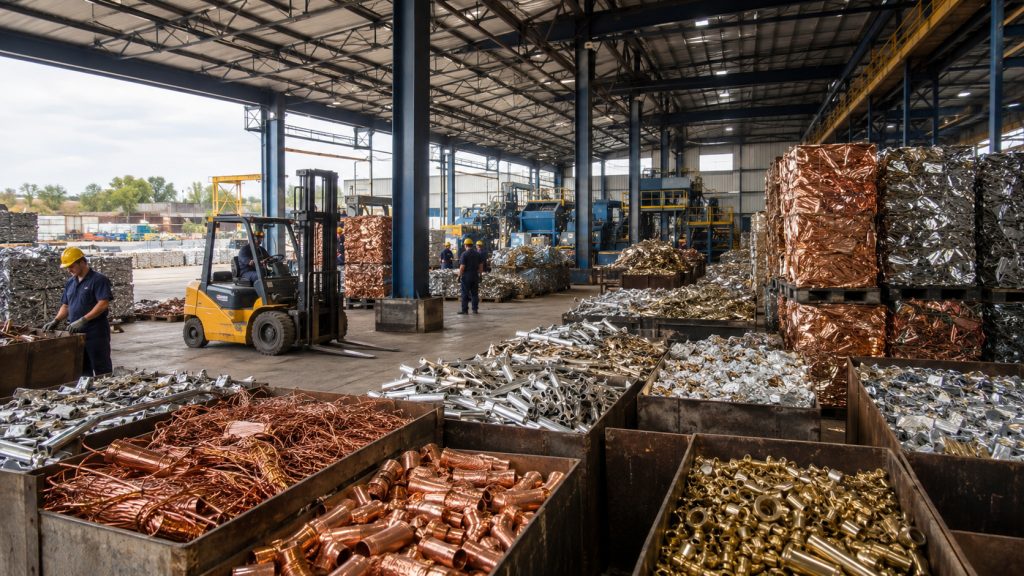
Our company professionally manages the recycling, separation, purchasing, sales, and international trade processes of non-ferrous metals with its experienced teams. Through our recycling activities, we contribute both to economic recovery and to the protection of natural resources.
Non-ferrous metals are among the strategic materials with high economic value in sectors such as industrial production, energy, defense, electronics, automotive, aviation, and advanced technology. For this reason, recycling processes are of great importance not only from a commercial perspective but also in terms of sustainable environmental policies.
As Pasha Metal, we continue our operations with environmentally conscious recycling processes, controlled storage areas, and operation management in compliance with international quality standards. With our modern infrastructure and global partnerships, we remain a reliable solution partner in the non-ferrous metals sector.
Service Processes
Metal Collection and Purchasing
The purchasing and collection processes of non-ferrous metals are carried out from both domestic and international sources.
Technical Separation and Analysis
Metals are separated and analyzed in detail according to their content and areas of use.
Industrial Recycling Processes
Metal recycling operations are carried out using modern equipment in compliance with environmental standards.
International Trade Operations
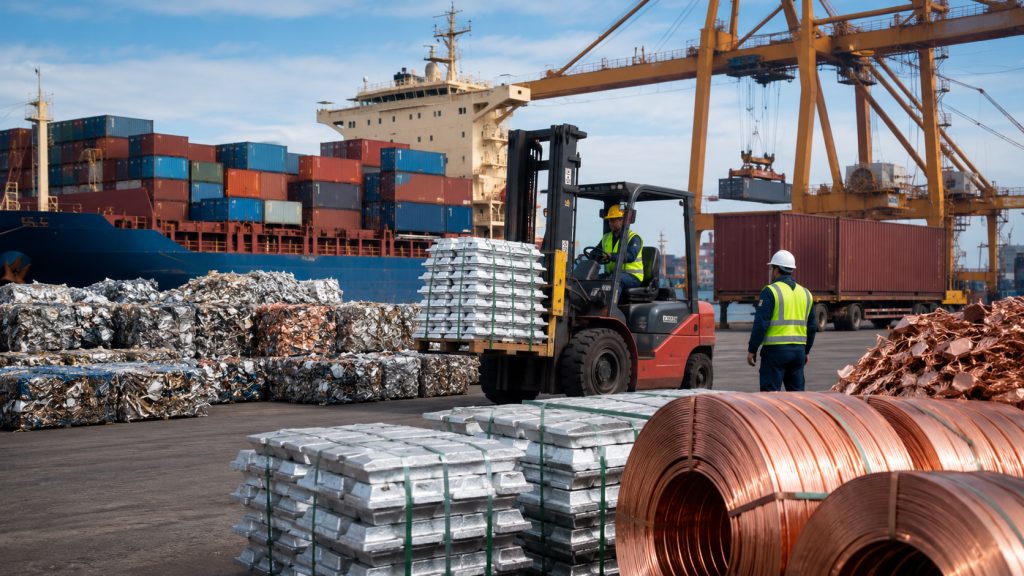
Metal trade and shipment processes are professionally managed with our global business partners.
Sustainable Resource Management
Environmentally focused recycling policies are implemented to reduce the consumption of natural resources.
Metals that are Recycled and Traded
The primary non-ferrous metals that our company recycles, purchases, and sells include:
Metals received at the facility are first subjected to technical analysis processes. Metal purity, alloy ratios, and recycling suitability are evaluated by expert teams.
2) Separation and Processing Procedures
Non-ferrous metals are separated according to their different physical and chemical properties.
In these processes, the following systems are actively used:
• Magnetic separation systems
• Industrial crushing and shredding
• Screening systems
• Density-based separation
• Chemical analysis processes
• Pressing and storage systems
3) International Logistics and Trade
Our company carries out international trade operations in many regions, primarily including Europe, America, the Middle East, and Asia.
Within the scope of our operations, the following processes are professionally managed by our expert teams:
• Export process management
• International shipment organization
• Customs operations
• Storage and stock management
• Contracted metal supply
4) Environmental and Safety Standards
All recycling processes are carried out in accordance with the principles of environmental sustainability.
In our facilities, the following systems and procedures are actively implemented:
• Controlled waste storage areas
• Fire prevention systems
• Gas detection systems
• Environmental leakage prevention infrastructure
• 24/7 security monitoring systems
• Occupational health and safety procedures
Our Sustainable Recycling Policy
As Pasha Metal, we consider non-ferrous metal recycling as a strategic investment in the future.
Sustainable production models are developed by using modern recycling technologies in order to protect natural resources, save energy, and support economic recovery processes.
With our infrastructure in compliance with international standards, experienced operation team, and extensive trade network, we continue to be a reliable solution partner in the non-ferrous metals sector.